

It’s not even dinnertime and it’s dark out.
The couch is making a strong case for itself. Getting dressed feels like a bigger project than it did in August. Your coffee is doing its best.
Is this just the winter blues? Is it November? Or is it something you should mention to someone?
Here’s the aha: you don’t have to diagnose yourself to do something about it. Your job isn’t to land on the right label. It’s to notice how you’re doing, try a few small things, and know when to bring in someone whose job is the label.
So let’s name it, gently. And let’s find you a brighter morning.
What the winter blues actually are
“The winter blues” is an everyday phrase, not a diagnosis. It’s the flat, slower feeling that can settle in as the days get shorter.
And it’s common. The US National Institute of Mental Health (NIMH) says many people feel down when the days get shorter. Its plain-language guide describes the milder version this way: feeling down but still able to take care of yourself and others, maybe some trouble with sleep, a bit less energy, but still managing work and home.
That’s not you being dramatic. That’s you noticing the lights went out at 5 p.m.
Winter blues vs. seasonal affective disorder
Sometimes the seasonal change is more than a mood. Seasonal affective disorder, or SAD, is a type of depression with a recurring seasonal pattern. The Canadian Mental Health Association (CMHA) says it significantly affects thoughts, mood and behaviour. It usually starts in late fall or early winter and eases in spring.
Here’s how the official sources draw the line. Think of this as a conversation starter, not a quiz.
| Winter blues | Seasonal affective disorder | |
|---|---|---|
| What it is | An everyday name for feeling down as the days get shorter | A type of depression that returns with the seasons |
| How it tends to show up | Lower energy and some sleep trouble, while still managing daily life | More serious changes in how you feel, think and act, which may include pulling away from people, oversleeping or craving sugary foods |
| How long | NIMH’s guide describes milder symptoms lasting under two weeks | NIMH’s guide describes more severe symptoms lasting more than two weeks; SAD episodes can last much of the season |
| Who sorts it out | You, your small changes, and a health-care provider if they don’t help | A health-care provider. This one is not a home project |
A diagnosis also depends on a pattern over time, which is one more reason this isn’t something to settle on your own at the kitchen table. Other health conditions can look similar, too.
The good news? You don’t need a label, or a certain number of winters behind you, to book an appointment.
One more thing worth separating out: the holiday blues. NIMH notes that sadness or anxiety brought on by seasonal stress isn’t the same as SAD, which is related to changes in daylight, not the calendar. December can be a lot all by itself.
You don’t need a label, or a certain number of winters behind you, to book an appointment.
Why it can feel louder in a full life: sleep, stress and hormones
Winter doesn’t arrive in an empty calendar. It lands on top of everything else you’re carrying.
NIMH says SAD occurs much more often in women than in men. And in midlife, a few other things can pile on. The UK’s National Health Service lists low mood and sleep problems among menopause symptoms, and notes that mood can feel worse when you’re not sleeping well and feel very tired.
So is it the season, your sleep, your hormones or your schedule? It might be some of each. That’s exactly why it’s worth bringing the whole picture to someone who can look at it, rather than trying to crack the case alone at 2 a.m.
If you’d like to read more first, start with Perimenopause or Just Life? The Symptoms Women Keep Explaining Away, What Actually Helps With Sleep in Perimenopause? and Why You’re Tired Even When You’re Doing Everything “Right.”
What helps: how to beat the winter blues, one small win at a time
“Beat” is a big word for a Tuesday. Let’s aim for “feel a little better by Thursday.” These are everyday ideas drawn from CMHA, the Centre for Addiction and Mental Health (CAMH) and NIMH. They’re general, not a treatment plan, and they’re not a replacement for help if you need it.
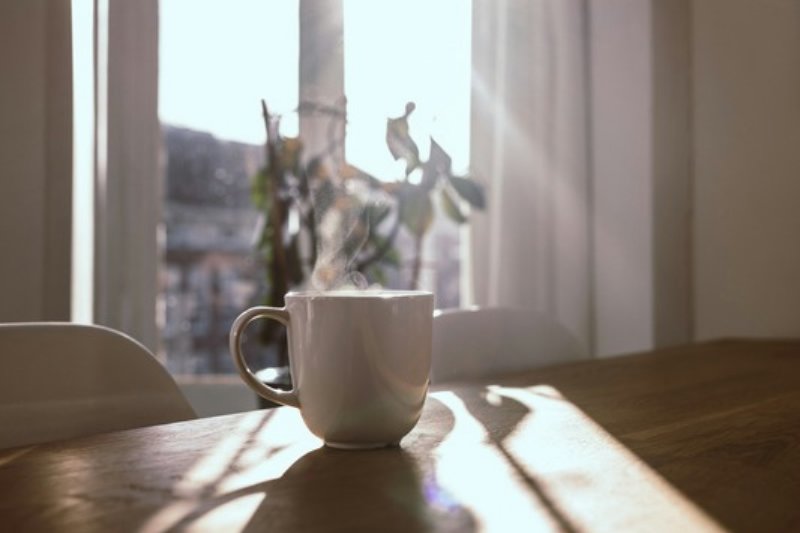
- Morning light. Open the curtains first thing. Have your coffee by the window. CAMH suggests sitting near windows, even on cloudy days.
- Getting outside. Daylight counts in January, too. A lunchtime loop around the block is a perfectly respectable outing.
- Moving your body. CMHA suggests staying active, even indoors. It doesn’t have to look like a fitness personality. Try Strength Training for Women Over 40 if you want something to build on.
- A little routine. CAMH points to regular sleep and wake times, regular meals, and leaving room for rest. If it helps to check in with yourself, our Twice Daily journal is five guided minutes, morning and night. Think of it as a place to notice how you’re doing, not a fix.
- People. A walk with a friend does double duty: daylight and someone who makes you laugh. If your circle feels thin right now, How to Make Friends After 40 (Without It Feeling Weird) has you covered.
Something to try tonight? Set your mug by the window for the morning, and text one friend about a Saturday walk. That’s it. That’s the whole plan.
Muddy tip
Pick one small thing, not five. Curtains open, coffee by the window, and a walk on the calendar is a very good start to a dark month.

Light therapy lamps: what to know before buying
You’ve seen them. The glowing boxes, the very confident ads.
Here’s what the official sources actually say. Light therapy is one of the main treatments NIMH lists for winter-pattern SAD, and CAMH says many people with SAD improve with exposure to bright artificial light. That’s about SAD, under care. It isn’t a promise for any one person, and it isn’t a verdict on the lamp in your cart.
Three things to know:
- Talk to your doctor first. CAMH says light boxes should be used under medical guidance, so check with a health-care provider before starting.
- It isn’t right for everyone. NIMH says people with certain eye diseases may need another option, or medical supervision. It also says to raise any medications with your provider.
- It can have side effects. CAMH says they’re usually mild and can include nausea, headaches and eye strain.
Ask your clinician whether it makes sense for you and what to look for. It’s a much better shopping guide than an algorithm.
Vitamin D in winter: ask before you add
This one comes up every November, so here’s the honest picture.
Your body can make vitamin D from sunlight, and Health Canada says season is one of the things that affects how much. A fun fact from the NIH Office of Dietary Supplements: sunlight through a window doesn’t make vitamin D. (Keep the coffee by the window anyway. You’re there for the light and the view.)
On mood, the sources are more careful than the supplement aisle. NIMH says study results on vitamin D for SAD are mixed. The Office of Dietary Supplements says clinical trials show supplements don’t prevent or ease symptoms of depression. And more isn’t better: too much vitamin D can be harmful, and it can interact with some medications.
Health Canada’s vitamin D guidance is about strong bones and teeth, and it’s worth a read. We’re not giving doses here on purpose. Whether you need a supplement is a quick question for your doctor, nurse practitioner or pharmacist.
On mood, the sources are more careful than the supplement aisle.
When to talk to someone

This is the part to save, or to send to a friend. Depression is real, it’s not a character flaw, and there is help for it.
Book time with your doctor, nurse practitioner or a mental-health professional if:
- You’ve been feeling down most of the time for more than two weeks
- The small things aren’t helping, or you’re feeling worse
- You’re pulling away from people or things you usually enjoy
- Your sleep, appetite or energy has changed in a way that’s getting in the way of your days
- Work, home or looking after yourself and others is getting harder
- This happens around the same time every year
- You simply want to talk it through. That’s reason enough
Not sure where to start? In Canada, try your family doctor or nurse practitioner, or your local CMHA. In the US, try your health-care provider or FindTreatment.gov.
If you need someone right now
If you’re feeling hopeless, or having thoughts of suicide or of not wanting to be here, please reach out now. You don’t have to be sure it’s “bad enough.” You can also call if you’re worried about someone else.
- In Canada: call or text 9-8-8. The 9-8-8: Suicide Crisis Helpline is open 24 hours a day, every day, in English and French.
- In the US: call or text 988, or chat at chat.988lifeline.org. The 988 Lifeline is open 24/7, free and confidential.
- If you or someone else is in immediate danger, call 9-1-1 or go to your nearest emergency department.
Muddy tip
When in doubt, talk to someone. You don’t need the right words or a diagnosis. “I haven’t felt like myself lately” is a perfectly good opening line.
Winter blues: myth vs. fact
| Myth | Fact |
|---|---|
| “It’s just in your head.” | NIMH describes SAD as a type of depression that can affect how a person feels, thinks and behaves. Changes in daylight are part of the picture. It’s not a lack of willpower. |
| “It’s just the holidays.” | Holiday stress is real, but NIMH says SAD is related to changes in daylight, not the calendar. |
| “If it comes back every year, you just put up with it.” | NIMH and CAMH both describe several kinds of treatment. A recurring pattern is a very good thing to mention to a clinician. |
| “A sunny window tops up your vitamin D.” | Sunlight through a window doesn’t make vitamin D, according to the NIH Office of Dietary Supplements. Enjoy the light. Ask about the vitamin. |
FAQ
What’s the difference between the winter blues and SAD?
The winter blues is an everyday term for feeling down as the days get shorter, while still managing daily life. SAD is a type of depression with a recurring seasonal pattern that can affect how you feel, think and act. Only a health-care provider can diagnose it.
When does seasonal depression start?
According to NIMH, winter-pattern SAD usually starts in late fall or early winter and eases in spring and summer. A less common pattern shows up in spring and summer.
Do SAD lamps work?
NIMH lists light therapy among the main treatments for winter-pattern SAD, and CAMH says many people with SAD improve with bright light. It isn’t a guarantee, and it isn’t right for everyone, so talk to your doctor before you buy or start.
Should I take vitamin D in winter?
Ask your doctor, nurse practitioner or pharmacist. Health Canada has general vitamin D guidance for bone health. For mood, the evidence is mixed at best, and too much vitamin D can be harmful.
When should I see a doctor?
If you’ve been feeling down for more than two weeks, if small changes aren’t helping, if it’s getting in the way of your days, or if you’d just like to talk it through. If you’re having thoughts of suicide, call or text 9-8-8 in Canada or 988 in the US, any time.
“I haven’t felt like myself lately” is a perfectly good opening line.
The Grounded One’s take
November is not a personal failing.
Feeling a bit flat when the sun clocks out early is an awfully human response. So open the curtains. Take the walk. Say yes to the friend with the thermos.
And if it’s more than flat, or it’s lasting, I’d skip the part where you tough it out until spring. Talking to someone isn’t a last resort. It’s just the next small thing on the list.
The days start getting longer in December. Until then, here’s to a brighter morning, and to not doing this one alone.
ASK MUDDY
What’s your one non-negotiable for getting through the dark months?
JOIN THE MUDDY COMMUNITY
Calm answers for complicated lives. Join the free Muddy community at muddystilettos.ca for new stories every day.
KEEP READING: THE RESET
Always tired? → Why You’re Tired Even When You’re Doing Everything “Right”
Not sleeping? → What Actually Helps With Sleep in Perimenopause?
ABOUT THE MUDDY WELLNESS DESK
The Muddy Wellness Desk explores the health questions women are actually asking, from sleep and hormones to energy, stress, movement and the realities of feeling well in a busy life.
Featuring The Grounded One: calm answers for complicated lives. Research obsessed. Reads the studies so you don’t have to.
Muddy Wellness content is educational and informational and is not a substitute for individualized medical advice, diagnosis or treatment. If you’re worried about your mood, or you’re thinking about light therapy or a supplement, talk to your doctor or nurse practitioner. If you’re in crisis, call or text 9-8-8 in Canada or 988 in the US. In an emergency, call 9-1-1. Twice Daily is our own product, and the link to it is a plain link with no commission.
Sources
- Seasonal Affective Disorder, US National Institute of Mental Health
- Seasonal Affective Disorder (SAD): More Than the Winter Blues, US National Institute of Mental Health
- Winter Blues or something more? Understanding Seasonal Affective Disorder (SAD), Canadian Mental Health Association, National
- Seasonal Affective Disorder (SAD), Centre for Addiction and Mental Health
- Coping with Seasonal Affective Disorder (SAD): Practical Tips for Winter Wellness, Centre for Addiction and Mental Health
- Seasonal affective disorder (info sheet), HereToHelp, BC Partners for Mental Health and Substance Use Information, including CMHA BC
- Vitamin D: Fact Sheet for Consumers, NIH Office of Dietary Supplements
- Vitamin D, Health Canada
- Menopause: Symptoms, NHS, UK
- 9-8-8: Suicide Crisis Helpline (Canada), 9-8-8
- Mental health support: get help, Government of Canada
- 988 Suicide & Crisis Lifeline (US), 988 Lifeline
0 Comments